Austin Public Health: Empowering Youth to Lead Their Own Health Journeys

At Austin Public Health, we believe young people aren’t just recipients of health information—they’re leaders, advocates, and experts in their own lives. Through our Austin Healthy Adolescent (AHA) Program, we work alongside youth to help them build the knowledge, confidence, and skills they need to take ownership of their health and shape healthier communities around them.
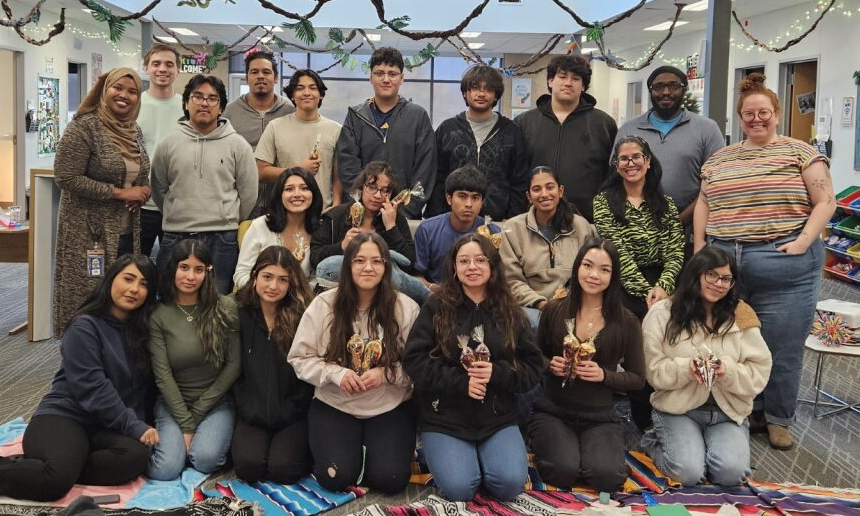
So how does that actually look in practice? It starts with meeting young people where they are. AHA offers several evidence-based curricula in schools across Austin, giving students accurate, age-appropriate information to help them make informed decisions about their health. But learning doesn’t stop in the classroom. Many students also choose to get involved in our Peer Advisory Committee (PAC), a year-long program that goes deeper—building leadership, advocacy, and real-world problem-solving skills.
PAC brings together 15 to 20 youth from across the Austin area and equips them with training on topics like reproductive health, advocacy building, and how local government works. From there, they apply what they’ve learned to a service-learning project that responds directly to the needs they see in their schools and neighborhoods. Over the years, PAC members have led efforts to promote menstrual equity in high schools, increase STI awareness, and, most recently, design an anti-vaping campaign in response to rising concerns among their peers.
A key part of AHA’s approach is ensuring youth voices—especially those from historically underrepresented communities—aren’t just included but centered. AHA has long worked with youth in Austin areas that experience higher rates of teen pregnancy. Students in these communities can enroll in pregnancy-prevention classes and apply to youth leadership programs, where they’re encouraged to provide input at every level. Youth help review curricula, design service-learning projects, and even participate in stakeholder meetings.
That youth input has a real impact. Young people involved in AHA identified a major gap in programming around teen fatherhood. They recognized the importance of supporting young fathers in building strong bonds with their children and developing healthy parenting skills. Based directly on that feedback, AHA launched the Teen Fatherhood Group—now in its third year.
Another powerful example of youth leadership in action is AHA’s Peer Health Educator (PHE) program. AHA hires students who have already participated in its evidence-based programs to serve as “ask-able” peers. These Peer Health Educators co-teach curricula and become trusted advisors for classmates and community members, providing real-time, relatable support and advice. To a ninth grader, there’s no substitute for hearing from someone their own age.
Youth leadership is essential to improving community health because young people are an essential part of the community. Too often, decisions are made that will affect generations to come—without those future generations at the table. PAC members conduct an annual community needs assessment to guide their service-learning projects. They ask questions like whether local STI clinics are actually youth-friendly and identify emerging health trends before adults do. This year, they identified teen vaping—particularly in middle school—as a growing issue and launched a service-learning project to address it.
Collaboration plays a huge role in making this work possible. Partnering with Healthy Futures of Texas strengthens AHA’s ability to address sensitive and complex health topics in credible, age-appropriate ways. Healthy Futures of Texas works across the state, helping programs share knowledge, break down silos, and expand access to high-quality adolescent health education. Through partnerships and the annual symposium, programs are reminded that there is more than one way to prepare and deliver effective adolescent health education—and that collaboration makes everyone stronger.
At the end of the day, empowering youth to lead their own health journeys doesn’t just benefit them—it strengthens families, schools, and entire communities. And we’re proud to do that work alongside Healthy Futures of Texas.